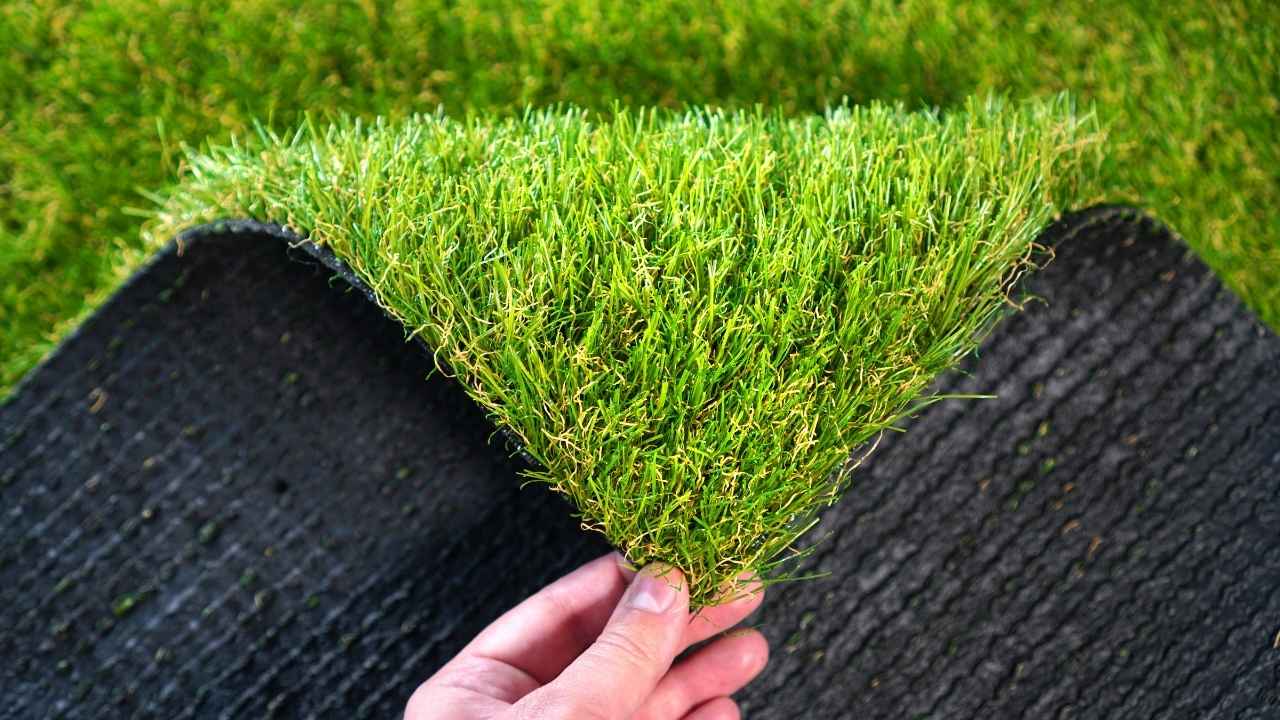
Palm Beach Gardens has the kind of climate synthetic grass loves—warm, bright, and usable nearly every day. It’s also the kind of climate that can punish poorly maintained turf: salt-tinged breezes, afternoon downpours, tropical humidity, and months of intense UV. A lawn that looks pristine in February can feel flat, smell off, or show ripples by August if the care cadence slips. This post lays out a practical, local calendar—what to do weekly, monthly, and seasonally—so your lawn stays springy, odor-free, and picture-ready across the dry and wet seasons.
If you’re reading from nearby neighborhoods, you’ll also find a few regional pointers sprinkled throughout, including an at-a-glance link for Palm Beach Gardens turf cleaning tuned to our city’s storm and irrigation patterns.
The Palm Beach Gardens Turf “Year” in Two Seasons
South Florida’s lawn care rhythm follows weather, not the calendar:
Dry season (roughly November–April): Cooler temps, lower humidity, fewer storms. It’s prime time for grooming, infill optimization, seam inspections, and planned repairs.
Wet season (roughly May–October): Daily heat spikes, frequent thunderstorms, hurricane risk. Focus on odor control, rapid debris removal, drainage performance, and post-storm checks.
Keep these two arcs in mind as you map maintenance. The same tasks exist year-round, but the emphasis changes.
Weekly & Monthly Baseline (All Year)
Every week (10–15 minutes):
Rinse high-traffic and pet areas; this dilutes residues before they crystallize.
Blow/sweep leaves, palm seeds, and grass clippings; organics feed odor and algae.
Quick brush across paths, pool entries, and pet lanes to keep fibers upright.
Edge glance: ensure borders aren’t lifting or catching.
Every month (30–45 minutes):
Power broom or stiff-broom session to de-mat fibers and expose the green face.
Enzyme pass on known pet zones; follow labeled dwell times.
Spot-treat stains: rust from irrigation, leaf tannins, sunscreen or grill splatter.
Infill check: top up if fingers can easily part fibers to the backing.
If you maintain homes up and down the county, a single regional deep clean can simplify schedules—see South Florida turf cleaning for a multi-city, route-based overview.
January–February: Reset and Reveal (Dry Season Sweet Spot)
Start the year with structure:
Deep groom: A thorough power broom lifts the winter’s flat spots so you can see what’s really there.
Seam audit: Cold nights and mild days can tug on older joints. Check gauge alignment and adhesive lines.
Infill optimization: Cooler months are ideal for redistributing or topping up infill; it settles evenly without summer’s expansion cycles.
Drainage test: Hose a corner and watch. Water should vanish through the thatch in seconds.
Shade hygiene: Where canopies block sun, add a light disinfectant pass to discourage films.
If winter guests include dogs (or plenty of pickleball traffic on sport turfs), readers from the south end may appreciate a pet-focused routine described in Boca Raton turf cleaning—the odor and grooming sequence carries over perfectly here.
March–April: Pre-Summer Prep
As temperatures climb:
Edge reinforcement: Add anchors where mower wheels, patio furniture, or foot traffic pivot.
Low-E window reflection audit: If you notice localized sheen or warmth by mid-day, consider screens/film or a plant buffer before heat ramps up.
Stain patrol: Treat irrigation rust or leaf tannins before UV bakes them in.
Patch planning: Line up any small heat or tool burns for surgical repairs while weather is still forgiving.
Calendar the first deep clean: A full enzyme + oxidizer cycle followed by grooming creates a “clean slate” for the wet season.
For north-county readers with larger dog runs or sport surfaces, the playbook in Jupiter turf cleaning parallels the heavy-use routines many HOA common areas need ahead of summer.
May–June: Flip the Switch to Wet-Season Habits
Daily rains and higher dew points shift the job:
Rapid debris removal: Don’t let seed pods and flowers mat down; they trap moisture and feed funk.
Enzyme frequency: Move from monthly to bi-weekly passes in pet lanes; rinse thoroughly after dwell time.
No high-PSI blasting: Summer temptation is to pressure-wash; resist. Aggressive PSI ejects infill and lifts seams.
Disinfect after big soakers: A turf-safe, EPA-registered product (with labeled dwell time) cuts slippery films.
Storm kit: Keep a broom, blower, enzyme, and a few sandbags handy. If a squall is inbound, clear moveable yard items off the lawn.
If you spend time downtown or on rooftop terraces, microclimates can run hotter than suburban yards. The upkeep cadence for dense cores mirrors what’s outlined on West Palm Beach turf cleaning—useful for anyone navigating urban heat and wind tunnels.
July–August: Mid-Summer Surge
This is when perfect lawns are made or lost:
Odor control: Alternate enzyme and oxidizer passes (two weeks apart) to keep uric crystals from re-forming.
Infill heat management: If surfaces feel hot, verify depth. Correct infill helps blades stand, shades the backing, and can cool the step feel.
Edge vigilance: Afternoon steam + expansion can nudge borders. Reinforce any lift before it snags.
Ponding prevention: Clear drains and adjoining mulch; pooled water invites microbes.
Post-storm sequence: Debris → rinse/extract silt → disinfect → groom. Order matters.
Should a repair bubble up—seam split, burn spot, or a small dip—there’s no need to wait for winter. A guided approach pays off any time of year; regional techniques are summarized under South Florida turf repair for owners comparing patching, re-stretching, and base corrections.
September–October: Transition & Tune-Up
As rain frequency eases:
Surface reset: One deep clean (enzyme + oxidizer + groom) to shed the summer, plus a careful inspection of seams and edges.
Re-stretch & re-anchor (if needed): Heat waves can telegraph ripples. Correct the base shape first, then tension and anchor.
Patch invisibility: If summer left a small scorch, a beveled, grain-matched patch blended with grooming is nearly impossible to spot.
Autumn leaves: Oaks and ficus shed; leaf tannins stain quickly on hot fibers. A quick monthly spot-treat saves headaches.
Infill top-up: Replace what rinses and winds removed over summer.
If you maintain lawn + pool combos or mixed hardscape edges, the regional notes in South Florida turf cleaning (linked above) remain relevant here for late-season polish.
November–December: Dry-Season Deep Work
This is the most forgiving window for structural improvements:
Comprehensive grooming: Power broom the whole surface and evaluate the “after” honestly; it reveals what’s cosmetic vs. structural.
Seam reconstruction: Re-bond joints where adhesive is tired or misaligned. Weight evenly and respect cure windows.
Base corrections: If an area puddled all summer, roll back the turf, rebuild the sub-base with angular stone and DG, compact in thin lifts, then re-stretch.
Perimeter detailing: Clean bond lines on concrete/pavers; re-adhere with urethane or use a mechanical edge strip.
Holiday traffic prep: Top up infill, re-check edge safety, and brush high-traffic lanes.
Readers comparing multi-city maintenance plans can skim neighboring routines via the single, locally-tuned page for Palm Beach Gardens turf cleaning already mentioned, with related city playbooks linked from there.
Hurricane Readiness & Recovery (Anytime, June–November)
Before:
Clear décor, toys, and planters off turf.
Brush fibers up so water sheets down to the drains.
Verify drain paths and shut off irrigation.
After:
Remove debris carefully—no dragging across the blades.
Rinse to move silt outward and off the field.
Disinfect if water pooled.
Inspect seams/edges and re-anchor if needed.
Groom and, if heat returned fast, check for fresh ripples.
When readers want to compare approaches city by city (or manage properties north and south of PGA Boulevard), the neighbor pages for Jupiter turf cleaning and West Palm Beach turf cleaning offer similar seasonal checklists adapted for those microclimates.
Troubleshooting: What the Lawn Is Telling You
Flat, grayish look even after rinsing → fibers are matted; schedule a real grooming session and verify infill.
Persistent odor after DIY enzyme → residues likely live deeper; cycle enzyme + oxidizer and consider an extraction.
Ripples that return → the base is uneven or the turf isn’t tensioned/anchored correctly; a re-stretch follows base correction.
Edge lift near concrete → adhesive failure or insufficient mechanical fastening—clean the bond line and reset.
Hot underfoot → infill depth and type matter; confirm spec and consider a heat-mitigating blend.
For readers south of us following this calendar in a different microclimate (pool decks, coastal breeze corridors, or patios near reflective glass), the topical routines in Boca Raton turf cleaning (linked above) map cleanly to similar conditions here.
A Note on Sustainability & Materials
Artificial turf is inherently low-water and low-fertilizer, but the most sustainable lawns are the ones that last. Regular brushing extends fiber life, infill care protects the backing, and quick micro-repairs prevent tear-outs. For odor control, enzyme/oxidizer cycles target the chemistry directly, reducing the need for harsh solutions. If you replace infill, consider coated sands or blends with odor-binding media; they maintain performance under Florida humidity.
When Repairs Make Sense (Without Replacing the Lawn)
Palm Beach Gardens is kind to turf systems that get light, steady attention. Most owners never need a full replacement within the expected lifespan when they tackle little problems promptly:
Seam re-bonds restore safety and the invisible “green sheet” look.
Patches make short work of burns or tool damage when grain-matched.
Re-stretching eliminates ripples after a base touch-up.
Perimeter re-sets keep edges tight against pavers and coping.
Infill top-ups reduce heat, matting, and abrasion.
If you’re comparing techniques and costs across the county, the overview on South Florida turf repair outlines the main methods used from PBG down through the coastal corridor.
Turf Installation Services in Palm Beach Gardens
Some readers will be planning new yards rather than tuning existing ones. Installation quality determines how often you’ll need repairs later: proper sub-base compaction, seam layout, and edge detailing are the difference between a lawn that glides through storms and one that ripples every August. For those researching installs, Blue Ocean Turf’s artificial grass in Palm Beach Gardens is a helpful primer on product choices and layout considerations; pair a well-planned install with the seasonal calendar above to keep maintenance light.
Frequently Asked Questions
How often should Palm Beach Gardens homeowners deep-clean turf?
Most households do well with a quarterly deep clean: groom, enzyme/oxidizer cycle, and a quick infill check. Heavy pet use or shaded, humid pockets may benefit from an extra mid-summer pass.
Do I really need to brush synthetic grass if it “doesn’t grow”?
Yes. Brushing stands fibers, reduces matting, improves appearance, and helps distribute infill evenly. Without it, blades mat, trap residues, and look dull under bright sun.
What’s the safest way to control pet odors in humid months?
Alternate enzyme and oxidizer treatments (every two weeks in summer) and rinse thoroughly. Keep a minimum infill depth to shade the backing and allow drainage.
Are pressure washers OK on artificial turf?
Use caution. High PSI ejects infill and can lift seams. A garden hose, power broom, and periodic extraction are safer. If you do use a washer, keep distance and a fan tip at low pressure.
How do I know if a ripple needs re-stretching or a base fix?
Pinch and pull the ripple. If it slides easily, it’s often a tension/anchoring issue. If it resists or returns immediately, the base likely has a high/low that needs regrading.
What causes rust-colored spots, and can they be removed?
Irrigation with iron-rich water commonly leaves orange marks. Turf-safe rust removers and quick response prevent set-in stains—especially important before long sunny spells.
How much infill is “enough”?
Specs vary by product, but many lawns perform best around 1.5–2.5 lb/sq ft. If you can easily see or feel backing when parting fibers, you likely need a top-up.
Can I patch a small burn myself?
Yes, with careful grain alignment and a beveled cut. Use seam tape and urethane adhesive, weight evenly, and brush to blend. When in doubt, practice on a scrap first.
How do storms change the maintenance routine?
Follow a set sequence: debris removal → rinse/extract silt → disinfect (if pooling occurred) → inspect seams/edges → groom and check infill. Doing steps out of order traps contaminants.
What’s the typical lifespan of well-maintained turf here?
With steady brushing, occasional deep cleans, infill management, and timely micro-repairs, many installations look great for 10–15 years or more, depending on traffic and product quality.
Book Same-Week Turf Care in Palm Beach Gardens
Keep the momentum: schedule a seasonal deep clean, grooming and infill tune-up, or a quick repair assessment to lock in that year-round curb appeal. Whether you’re coming out of summer storms or prepping for holiday guests, Bright Turf Solutions can bundle brushing, enzyme/oxidizer treatment, seam touch-ups, and edge resets into one efficient visit—so your lawn looks crisp, smells fresh, and drains fast without the hassle of a full replacement.