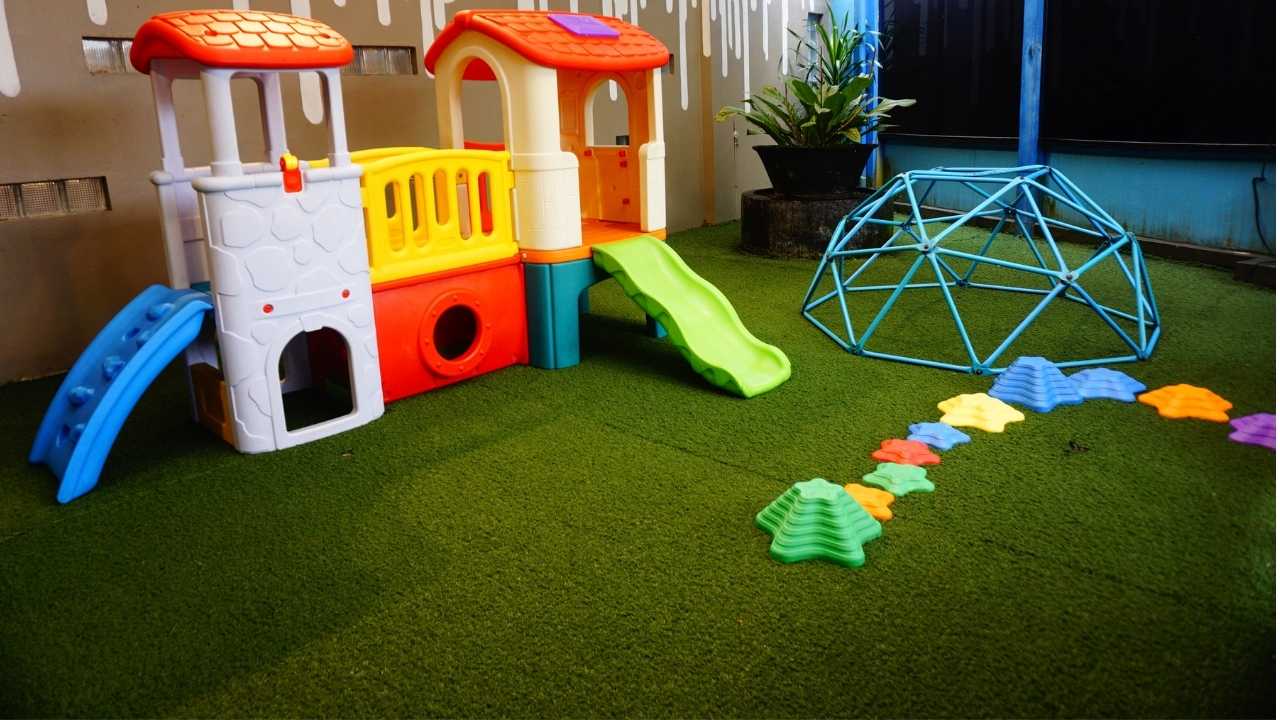
Parents want two things from a backyard or community play lawn. It should be clean enough for hands and knees, and it should feel soft if a child trips. Artificial turf can deliver both when you follow a simple routine that balances sanitation with fall infill maintenance. This guide explains how to keep play zones fresh, odor free, and shock-absorbent without turning weekends into work. You will learn what to clean, how to clean it, how to choose and maintain fall infill, and how to spot early signs that a quick repair will prevent bigger problems later.
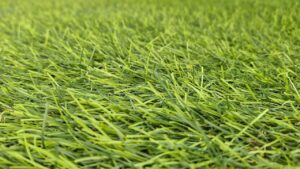
Artificial turf is a system, not just green carpet. Above, you see blades and thatch. Below, a permeable backing and a free draining base carry water away. Infill sits in the thatch to support blades and cushion tumbles. Kid safe care means keeping the drainage path open, controlling microbes on the surface, and keeping infill levels within spec so the surface stays soft.
What kid safe turf care actually means
Kid safe care has three parts that work together.
- Clean and clear. Remove debris before it mats and traps moisture.
- Sanitize consistently. Use products that are proven on synthetic surfaces and follow dwell times so they actually work.
- Maintain fall infill. Keep the depth and distribution that your turf was designed for, so the field absorbs energy instead of knees and elbows doing the job.
If you keep those three in rhythm, the lawn looks new, smells neutral, and passes basic fall safety checks year round.
The clean routine for play zones
Daily or every other day in high use weeks
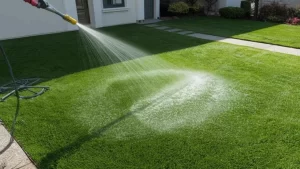
A quick hose rinse across the main play lane or under a swing knocks down dust, sunscreen residue, and food crumbs. Keep the nozzle above the thatch. You are floating fines toward drains, not driving anything deeper. If you have pets sharing the space, do a short rinse on their lanes too so residues do not migrate into the kids area.
Weekly
Give the turf a brisk brush with a stiff nylon broom or a light power broom. Brush across the main traffic direction, then cross brush once. Brushing lifts flattened fibers, exposes the clean face of the blades, and opens the thatch so future rinses reach everything. This also makes it easier to see early ripples or seam issues. If you want a city level reference for cadence and seasonality, the West Palm Beach turf cleaning page is a helpful bookmark even if your lawn is not inside city limits.
Monthly
Set aside 30 to 45 minutes for a fuller reset. Start with debris removal. Rinse. Apply your sanitizer at the labeled dilution. Allow full contact time. Rinse only if the label requires it. Finish with a groom that redistributes infill and stands the fibers. If you manage several properties across the region, it can be helpful to keep a single regional reference handy. The South Florida turf cleaning guide is a good one to consult when you build a calendar.
Sanitizing for kids, not just deodorizing
A clean smell is nice, but kid safe care is about reducing microbes on touch surfaces. That takes the right chemistry and the right technique.
Choose turf safe products
Look for EPA registered disinfectants that list use on synthetic surfaces or outdoor athletic turf. Many modern products are designed for contact time in minutes rather than long closures. Some are no rinse, some require a rinse. Follow the label literally.
Prep the surface
Sanitizers cannot work through mud cakes, sticky sap, or thick layers of dust. Rinse first and brush if the thatch is matted. You are aiming for clean contact with fibers and the upper thatch.
Respect dwell time
If the label says ten minutes, give it ten minutes. If the surface dries early in strong sun, mist lightly to keep it wet for the full time. Skipping dwell time wastes product and gives a false sense of safety.
Alternate with enzyme cleaners where kids and pets share space
If a dog prefers one corner, treat that spot with a true multi enzyme cleaner. Enzymes break down uric salts and proteins that regular disinfectants do not remove on their own. Allow the full dwell time, then rinse away the broken down residues. For residents who want a city specific routine for pet heavy yards, the Boca Raton turf cleaning page outlines a cadence that also works well for family lawns.
Fall infill 101 for safer tumbles
Fall infill is what helps a surface feel forgiving when a child slips off a balance beam or misses a step off a low platform. Many play areas use layered systems. A shock pad below the turf spreads impact, and the infill above fine tunes feel and blade support. Even when you do not have a pad, correct infill depth improves energy absorption.
What fall infill does
It supports the blades so the lawn looks and feels like a lawn, not a mat. It shades the backing so the surface runs cooler in the sun. It fills the thatch so small objects cannot burrow and hide. And it cushions minor falls.
How much is enough
Follow your product spec or your installer’s plan. Many residential and light play installs target a range around one point five to two point five pounds per square foot, but playground rated systems may use different materials and targets. The right number is the one that matches your turf model and any pad underneath it.
How to gauge depth without lab gear
Use a simple part and look method. Spread fibers with your fingers at several spots. You should see granules filling the thatch and supporting the blades. If you can easily see or feel backing, you are under filled. If granules bury blades to mid height or higher, you are likely overfilled and blades will look dull. Keep a small log of observations so you can catch trends early.
What to do when you need more
Broadcast fresh infill evenly with a drop spreader. Work in two or three light passes. Power broom between passes to seat granules into the thatch. Finish with a cross brush to stand fibers. This keeps the lawn springy and reduces hot spots where children land again and again at the bottom of a slide.
Simple fall safety habits for home play zones
- Place loose play items on hardscape when not in use, not on the turf. This prevents denting and keeps the surface clear.
- Brush and check under swings and slides weekly. These are the zones where fibers flatten first and where infill migrates.
- Keep a short checklist on your phone. Rinse, brush, spot sanitize, and inspect seams and edges.
- During very sunny months, check mid day temperatures by touch. Correct infill depth and upright blades feel cooler than flat fibers and empty thatch.
- After big rain, follow a simple sequence. Remove debris by hand, rinse, extract any powdery silt with a wet vacuum if present, sanitize, then groom.
Signs a quick repair will keep kids safer
Kid safe maintenance prevents most issues, but repairs do come up. Early action keeps the play surface safe and saves money.
- A straight line gap that looks like a zipper points to a seam that needs a re bond.
- A ripple that returns after brushing often means the turf needs a re stretch and better anchoring.
- A putty knife that slips under the edge near pavers or coping tells you the bond line needs cleaning and a reset.
- A soft spot that puddles after rain points to a base correction.
- A small scorch or torn area near a portable fire pit needs a beveled patch cut and a donor piece that matches the turf’s grain.
If you are comparing methods across the region, a helpful high level walkthrough of patching, re stretching, and seam reconstruction is in the South Florida turf repair overview. If your playground happens to sit within city limits and you want a local reference page for options and timing, you can also review the Boca Raton turf repair page when planning.
Make shared spaces predictable and easy to manage
Families rotate through backyards, side yards, and community corners. A posted routine turns good intentions into real care.
- Keep a small caddy with a broom, a gentle sprayer, your chosen sanitizer, and a laminated card that lists the order of steps.
- Use the same routine after parties and messy art days. Debris, rinse, sanitize, groom. Consistency matters more than perfection.
- If you run a small preschool pod or community play date, add a sign that reminds visitors to pick up solids, spray a quick rinse if needed, and keep hard toys off the turf when not in use.
Extreme weather and kid zones
Strong sun, heavy rain, and coastal wind all affect how often you repeat the basics.
- When humidity climbs, enzymes and disinfectants need their full dwell time. Keep an eye on early drying and mist if needed so you do not cut contact time short.
- After intense rain, do not walk or play on a saturated surface. Wait for water to drain, then follow the post rain sequence so you do not drive fines deeper.
- If a storm is forecast, move loose items off the turf and check edges. After the storm, handle debris first, then move through rinse, sanitize, and groom. If you want a city level seasonal reference for planning clean ups, the Palm Beach Gardens cleaning page is a useful compare and contrast with any schedule you use at home.
Kid safe products that make life easier
- A true multi enzyme cleaner for pet overlaps and food spills.
- A turf safe, EPA registered disinfectant with a dwell time that fits your schedule.
- A nylon broom and, if you have the space, a small power broom for monthly resets.
- A drop spreader for precise infill top ups.
- A simple wet vacuum for the rare times when fine silt settles into the thatch after heavy rain.
If you prefer to read a city focused guide before choosing tools or timing, the Jupiter turf cleaning page covers similar sequences with seasonal notes that many families find helpful.
Thinking about a reset or a full swap
When a new installation makes sense for families
Most family lawns can be restored with cleaning, grooming, and targeted repairs. A full swap may be smarter if fibers are brittle across the field, seams fail everywhere, or the base is compromised. If you are exploring a new start, review products with play in mind, ask for shock pad options, and plan seam layout and edge details around play equipment. For a clear, local overview of materials and layout choices, see Blue Ocean Turf’s artificial grass guide and use it as a checklist when you compare quotes.
Frequently Asked Questions
1. How often should a family play lawn be sanitized during school months?
A weekly light sanitation is enough for many families when paired with daily or every other day rinsing and a monthly groom. Add a second sanitation pass during weeks with large playdates or when humidity is very high.
2. Are vinegar or bleach good options for kid zones on turf?
They are not advised. Vinegar is not a broad spectrum disinfectant on its own, and bleach can discolor fibers or harm the backing. Choose a turf safe product with clear instructions and follow the dwell time.
3. How can I tell if my fall infill is low without special tools?
Spread the blades with your fingers at several spots. You should see granules supporting the thatch. If you can easily see or feel backing, you likely need a top up. Keep a small note on your phone so you can track whether certain spots tend to run low.
4. What is the safest way to clean after a messy birthday party on the lawn?
Pick up large debris by hand. Rinse gently from the high end of the field toward the drain path. Apply your sanitizer and allow the full contact time. Rinse if the label requires it. Power broom to finish so fibers stand and infill redistributes.
5. Do I need a shock pad under the turf for kids to be safe?
Pads are great for higher play heights and community playgrounds. Many home lawns perform well with correct infill and a good base. If you are adding a new play tower or a taller slide, talk with an installer about pad options under the main landing zones.
Talk to a real person and get a plan that fits your yard
Bright Turf Solutions can help you turn this guide into a schedule that matches your family and your space. If you want one plan for regular cleaning and another for quick repairs when seams or edges need attention, start the conversation here: Contact Bright Turf Solutions. Share how the space is used, any pet overlap, and your weather concerns, and we will map the simplest routine that keeps the surface kid ready.