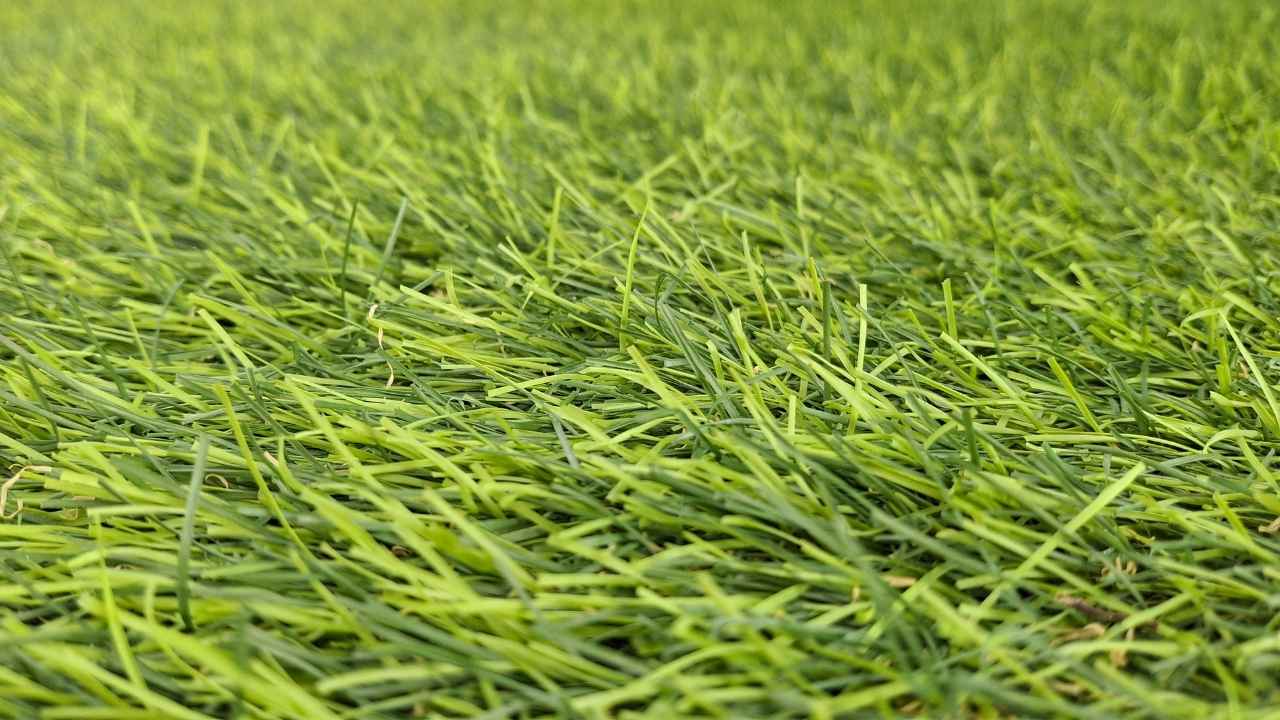
Artificial turf is tough, but it has a quiet rival that most homeowners do not notice until damage appears. Low-E windows can reflect and concentrate sunlight in short, intense bursts that heat synthetic grass well past its softening point. The result is a glossy stripe, curled blades, puckered thatch, or even a rippled patch that feels sticky underfoot. The good news is that turf melting is preventable and, when caught early, repairable. This guide explains why melting happens, how to diagnose risk on your property, and the practical fixes that stop the problem at the source. You will also learn how to protect the surface with temporary and permanent heat shields, plus the repair options that bring a damaged area back to life without replacing the whole lawn.
Why turf melts in front of Low-E glass
Low-E glass is designed to push infrared energy back outside. Under the right sun angle, that reflected energy can converge on a narrow band of your yard. If the insulated glass unit bows slightly in the middle, the reflection can behave like a weak magnifier. Add bright stucco walls, white fences, stainless appliances, or pool water and you get secondary reflections that stack heat in a specific lane. Modern turf will tolerate a lot of heat, but a focused reflection can push temperatures past the point where fibers soften and the backing deforms.
What you may notice first is not a dramatic melt. Early warning usually looks like a shiny streak that comes and goes through the day, a plasticky smell on hot afternoons, or blades that refuse to stand up after brushing. Left alone, the streak deepens in color, the thatch fuses, and the surface ripples as the backing shrinks a little in the hot zone.
Early signs your turf is at risk
Use this quick checklist during a sunny mid-morning and again in late afternoon. The reflection path moves as the sun arcs.
- A bright, moving highlight crosses the same strip of turf each clear day.
- Blades look glassy in a band a few inches to a few feet wide.
- The area feels warmer than the rest of the lawn when you touch it.
- You notice a faint plastic smell when the highlight passes.
- The backing shows hairline puckers if you gently lift a corner at the edge.
- Toys, doormats, or garden flags left in the hot strip show softening or warping.
If you check several boxes, plan a fix now, not later. Heat damage advances fastest right before and after noon in late spring and summer, but it can happen any sunny week of the year.
Simple tests to confirm a reflection hot spot
You do not need lab gear to prove what is happening. A few household tools can give you clear answers.
- Masking tape test. Lay a short piece across the suspected strip at 10 a.m. and check again at noon and 2 p.m. If the tape curls or the adhesive softens while nearby tape stays normal, you have a hot lane.
- Chalk path. Mark the highlight in chalk at three times of day. If the marks form a gentle curve in front of a window, that is your reflection arc.
- Temperature comparison. Use an inexpensive infrared thermometer. If the hot lane reads 20 to 40 degrees higher than the surrounding turf, reflections are concentrating heat.
- Foil card. Hold a small piece of aluminum foil a foot above the turf. If you can focus a bright bar of light onto the same zone where damage appears, the window is the source.
The two-part strategy that stops melting
You have two broad levers. First, tame the reflection at the source. Second, protect or shade the turf in the reflection’s path. Most homes use a combination that fits the architecture and the budget.
Tame the reflection at the source
- Exterior solar screens. A simple, non-mirror mesh breaks up and diffuses energy before it leaves the glass. These screens reduce intensity without creating a second mirror. They also block insects and reduce glare inside the home.
- Spectrally selective films. Choose low-reflectivity films designed to reject heat without acting like a mirror. Mirror-type tints often make turf melting worse, not better. When in doubt, ask for a film with low visible reflectance and make sure it matches your window warranty requirements.
- Retractable awnings and pergolas. Fixed or retractable shade above the window changes sun angle and blocks the harshest hours. The goal is not permanent darkness, just clipping the midday spike that causes damage.
- Plant buffers. Tall grasses, trellised vines, or a narrow hedge will diffuse light in the same way a screen does. Vegetation also cools the local microclimate and looks natural around patios and pool decks.
- Exterior shutters. If you already deploy storm panels or shutters, consider leaving a louvered solution in place during the hottest months on the windows that aim at turf.
Protect or shade the turf in the reflection path
- Heat shields. Clear polycarbonate sheets, twin-wall panels, or tempered glass guards mounted a few inches above the surface create a sacrificial layer. The reflection hits the shield, not the turf. Leave an air gap so heat can escape.
- Decorative breaks. Paver ribbons, stone borders, or a light-colored gravel strip interrupt the reflection lane. A narrow hardscape band in front of the window can be enough.
- Shade sails and umbrellas. A small sail anchored between the house and a post or an offset umbrella over the hot lane reduces intensity during the narrow window when reflections peak.
- Portable shields. For renters or seasonal spikes, a foldable screen or a removable lattice panel set at the reflection angle gives you protection when you need it and storage simplicity when you do not.
Repair options if turf already melted
The right repair depends on depth and size of damage. Start with safety. If the area is soft or sticky, block foot traffic and move furniture before fibers deform further.
- Surface singe. If fibers are only polished and slightly flattened, a thorough groom can lift them. A light trim of deformed tips with sharp shears can improve appearance, followed by brushing and infill top-up.
- Fused blades. When the thatch and tips have melted into a shiny patch, a surgical patch is the best path. The tech cuts a beveled oval around the damage, traces a donor piece with matching grain and gauge, slides non-woven seam tape underneath, applies a two-part urethane adhesive, sets the patch, weights it through cure, and power brooms to blend.
- Ripples and puckered seams. Heat can relax tension and pull on joints. Re-stretching the field after correcting the base shape and re-anchoring perimeters usually restores a flat, safe surface.
- Edge lift at hardscape. Clean the bond line and re-set with urethane adhesive or a mechanical edge strip, then weight during cure.
- Base correction. If heat and expansion revealed a low spot that also puddles after rain, roll back the carpet, rebuild the sub-base in compacted lifts, maintain cross-slope to drains, then re-stretch.
When repairs are complete, a deep groom helps blend new fibers and brings the whole surface back to a consistent look. If you want that reset after the work, consider a one-time appointment for turf cleaning in Jupiter or a similar visit for turf cleaning in Palm Beach Gardens. If patching or seam work is on your list, compare localized options such as turf repair in Jupiter or turf repair in Palm Beach Gardens to keep the fix focused and budget friendly. Each link appears here once so the reading flow stays natural.
Heat shields in practice
Heat shields are simple in concept and effective when installed with a little care.
- Material choice. Twin-wall polycarbonate is light, durable, and diffuses reflections well. Solid polycarbonate is stronger but heavier. Acrylic is clear and attractive, but it can deform at lower temperatures and is easier to scratch. Tempered glass looks clean and resists heat, but it is heavier and needs careful mounting.
- Size and placement. The shield should cover the entire reflection path with at least a foot of margin on each side. Place it a few inches above the turf to allow airflow. A small slope helps heat rise away from the surface.
- Mounts and edges. Use rounded edges or edge guards. Avoid sharp corners near play zones. If the shield is removable, mark the anchor points so it goes back in the exact spot season after season.
- Cleaning. Do not let dust cake on the shield. A dusty panel can scatter light in unexpected ways. A simple rinse and microfiber wipe keep it clear and predictable.
- Aesthetics. You can frame shields in powder-coated aluminum to match patio trim or integrate them into planter boxes so the solution disappears into the landscape.
Shade solutions that double as design
A pergola, trellis, or sail can look intentional and block the reflection cycle. Small adjustments count. Dropping the front beam of a pergola a few inches or rotating a sail slightly can cut the intense window during peak sun without leaving a dark yard. If you are in a windy area, use rated anchors and take down portable sails ahead of storms. Your goal is modest shade across the reflection stripe during the warmest part of the day, not permanent overcast.
Infill and color choices that moderate heat
Dark infills absorb more heat than light, coated sands or engineered blends. If your lawn runs hot in summer, test a light, coated sand or an odor-binding blend in the hottest lanes. Maintaining depth within spec matters even more than choice of media. Adequate infill supports blades so they stand up and release heat. It also shades the backing and improves drainage. A quick rule of thumb is that if you can easily part fibers and see backing, you likely need a top-up. Occasional rinsing cools the surface for a short time, but water is not a plan by itself.
Myths that get in the way
- Mirrored film fixes the problem. In most cases it makes reflections stronger. Choose low-reflectivity solutions instead.
- Only brand new Low-E glass causes melting. Any reflective glass can focus energy under the right angle, and neighboring homes can contribute as well.
- A quick pressure wash is harmless. High pressure ejects infill and can tear at softened seams. Gentle rinsing, extraction if needed, and grooming are safer and more effective.
- If a patch is visible on day one, it will always stand out. A well aligned patch becomes hard to spot after grooming and a few weeks of weathering.
When to involve neighbors and your HOA
If the reflection appears to originate from a neighbor’s window, you still have options on your side of the fence. A shield, a narrow hardscape band, or a small sail placed at your property line may fix the issue without asking anyone to modify their home. If you do approach a neighbor, bring photos from different times of day and propose a screen or a plant that benefits both yards. For HOA areas, document the hot zone with photos and a short summary of the fixes above. Clear evidence speeds approvals for screens, sails, or narrow hardscape breaks.
What it costs and why it pays off
The least expensive fix is often an exterior screen on the emitting window or a small shield in the reflection path. These are quick to install and reversible. A narrow paver ribbon is next on the cost ladder and doubles as a design element. Larger shade structures, permanent plantings, and base corrections cost more but deliver broad benefits that go beyond melt prevention. Compared with replacing an entire lawn, targeted solutions are straightforward. They protect your investment and keep a clean, safe, and cool play surface for kids and pets.
Thinking about a clean slate install
If your lawn has widespread UV wear or repeated melt bands across several windows, a fresh installation may be the smartest long-term path. A quality install uses smart seam layout, robust edge details, and a product choice that suits your sun exposure. For a helpful overview of product options and layout decisions before you replace or swap your surface, explore Blue Ocean Turf’s artificial grass installation guide for Jupiter. Pair a thoughtful install with the reflection fixes in this article and you will spend the next seasons enjoying the yard rather than nursing hot spots.
Frequently Asked Questions
1. Will adding a window film void my window warranty
Some manufacturers limit the use of interior films on certain glass types. Exterior screens and low-reflectivity, warranty-approved films are common workarounds. Check your window model and warranty terms before you commit. A reputable installer will guide you to a compliant choice.
2. Do I need to cover the entire lawn with a heat shield
No. Shields should cover the reflection lane with a margin. Track the hot strip for a few days, then size your shield to that path. Most homes only need a narrow guard in front of a problem window.
3. Can watering the turf during hot hours prevent melting
A rinse cools the surface for a short time but does not solve the cause. Focus on diffusing or blocking the reflection and keeping fibers upright with regular grooming. Water is a supplement, not a solution.
4. How do I know whether to patch or replace a damaged area
If damage is confined to a small spot with intact backing around it, a beveled patch blended with grooming is the right move. If multiple zones show fused thatch, brittle fibers, or the base has settled broadly, a larger resurfacing plan is more efficient.
5. Are mirrored privacy tints a good idea for melt prevention
They usually make things worse. Choose non-mirror, spectrally selective films or exterior screens that reduce heat without increasing reflectivity.
Talk to Bright Turf Solutions About a Melt-Proof Plan
You do not have to accept hot streaks across a good lawn. Diffuse the reflection at the window, protect the surface with a simple shield, and repair any damage with a focused plan. If you are ready to map a fix that fits your home and budget, contact Bright Turf Solutions today.