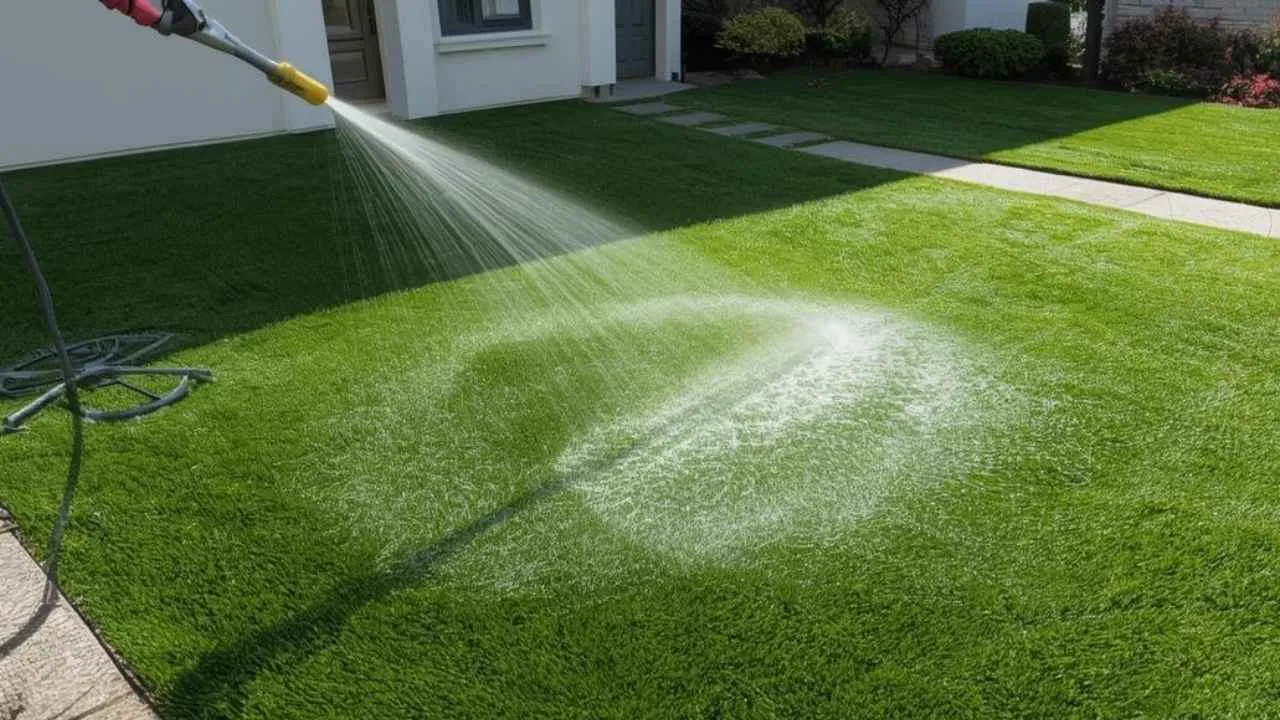
Pressure washers make concrete sparkle, but turf is not concrete. It is a layered surface with fibers, thatch, perforated backing and a free draining base. Done wrong, Artificial Turf Pressure Washing can eject infill, lift seams, scuff blades and lock in the odors you hoped to remove. Done right, you can clean the hardscape around your lawn without risking damage, and you can still deep clean the turf itself with a gentler sequence that restores color and keeps drainage fast. This guide explains safe washer settings, the right nozzles, simple shields that protect edges, and the step by step workflow that puts appearance and longevity first.
Why the area around turf needs a different plan
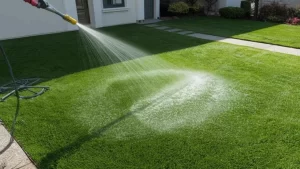
A pressure washer throws water and grit in every direction. On pavers and driveways, that is fine. On synthetic grass, overspray and runoff can drive fines into the thatch, blow out infill, and stress adhesive seams. High humidity and afternoon showers add another wrinkle. If you push silt into the perforations during the day, it bakes in the sun and dries into a film that slows drainage. The fix is to separate two jobs. Use the washer on the hardscape, but use a turf safe deep clean on the grass. If you want a local example of the gentle approach, see how a scheduled program for turf cleaning in Boca Raton handles grooming, enzyme work and extraction without high pressure.
Safe pressure settings and distance near turf
Think low pressure, wide angle and generous standoff. For most consumer units, a 40 degree white tip is the safest starting point near grass. Keep the wand a full arm length or more above the surface and direct the spray away from the turf edge. If you move closer or switch to a tighter fan, pressure climbs fast. That is when infill starts to dance and seams get tested. Use lower PSI on verticals so bounce back does not pepper the lawn. Keep the nozzle in motion. Stationary blasting is what lifts edges and scuffs fibers.
A good rule for borders is to imagine a cone that never crosses the turf line. Clean parallel to the edge, not straight at it. If you must wash a narrow strip of pavers between turf and a wall, reduce pressure, widen the fan and shorten your passes.
The nozzle kit you actually need
40 degree white tip
Your default near turf. It moves dust and algae without the needle like force that ejects infill.
25 degree green tip
Use only on stained hardscape several feet from any edge. If the fan accidentally clips the lawn, the wider angle and distance still cushion the hit.
15 degree yellow tip
Reserve for stubborn spots far from turf. Never point this at seams, edges or patched areas. The narrow fan behaves like a blade.
Soap tip
Low pressure for applying detergents on siding or large hardscape. Rinse with the 40 degree tip, not a tight stream.
Turbo nozzle
Avoid it near synthetic grass. The rotating point stream is efficient on concrete and brutal on turf.
Surface cleaner attachment
Best on wide concrete. Keep the spinning head parallel to the turf line and lift it slightly when you turn so the edge does not nibble at fibers.
Shields that make a big difference
You do not need fancy gear to protect a lawn. Simple barriers keep splash and grit out of the thatch.
Edge boards
Lay a straight board flat on the turf with the long edge aligned to the pavers. It catches splash and gives you a visual do not cross line.
Silt socks or wattle
Place along the lower edge when you wash uphill surfaces. They filter fines so runoff does not cloud the turf.
Drop cloths or plastic sheeting
Tape along coping or walls before you treat rust or efflorescence on hardscape. Remove as soon as you finish so heat does not build under plastic.
Gutter and downspout guides
Temporary extensions steer wash water away from lawns. Less runoff across turf equals less embedded debris.
The safe workflow when washing next to turf
Follow this order and each step will support the next.
- Dry prep
Blow leaves and debris away from the turf side first. Pick up branches so you do not drag anything across fibers. - Pre wet the hardscape
A light rinse settles dust and reduces bounce back. - Apply detergent where needed
Use the soap tip on concrete or stone. Keep overspray off the grass. Let it sit per label, then switch to a 40 degree tip to rinse. - Wash away from the lawn
Work outward from the turf line, not inward. Keep the fan edge in your peripheral vision so it never crosses the grass border. - Control runoff
Aim toward drains or planting beds that can take water. If you see milky water near the turf, slow down and rinse that lane toward a drain before it dries. - Post wash turf care
If overspray reached the grass, do a gentle hose rinse to float fines outward. Power broom or stiff brush the edge so fibers stand up. If you notice lingering odor, plan an enzyme pass later in the day when the surface is cool.
For readers who prefer vendor managed cadence rather than DIY, a city specific schedule for turf cleaning in Jupiter outlines a rinse, enzyme, oxidizer and grooming sequence that avoids unnecessary pressure.
What damage looks like and how to fix it
Seam lift
A straight line gap that looks like a zipper. The solution is a seam re bond. Clean the channel, slide non woven seam tape under, apply urethane adhesive to both sides with a slim glue free margin near blade tips, align gauge rows, weight until cured, and groom. If you would rather not tackle that alone, you can review options for turf repair in Boca Raton to understand the steps and materials.
Edge failure at pavers
A putty knife slips under the border. Clean the bond line and re set with urethane adhesive or a mechanical edge strip. Weight during cure.
Infill loss
The lawn looks flat and feels hot. Top up to the product spec and power broom so granules seat into the thatch. If repeated washing thinned a large area, you can scan approaches similar to turf repair in Jupiter to see when re stretching or base touch ups make sense.
Fiber scuffing
Zebra like streaks after drying. Over time, regular grooming softens the look. If a small patch is melted or fused from heat, a beveled oval patch with matching grain can be nearly invisible.
Base silt
Spongy feel or slow drainage after washing uphill hardscape. Roll back the carpet, remove fines, rebuild with angular stone and compacted lifts, then re stretch.
A turf first deep clean that outperforms pressure
You can deep clean synthetic grass without high PSI. Use this practical sequence.
- Dry debris removal.
- Gentle hose rinse to float dust outward.
- Enzyme saturation on pet lanes with full dwell time.
- Light rinse to move residues.
- Alternating oxidizer on the next round to break biofilm.
- Extraction if you feel a powdery film under fingers.
- Turf safe disinfectant with the labeled contact time.
- Grooming and infill check with a top up if backing shows.
- Final inspection of edges and seams.
This routine is slower than a single blast but it keeps drainage open, protects adhesives and reduces the chance you will need to patch or replace later.
When to skip washing and schedule repairs first
If you already see a lifted edge, an open seam, or ripples in the surface, do not aim a washer near the defect. Fix structure first, then clean. Water under a loose seam migrates and spreads. Ripples can kite under pressure and grow. A small repair now saves a larger one later.
Considering a fresh start when age shows everywhere
Some lawns reach the point where careful washing and deep cleans cannot hide age. Fibers are brittle, color fades across the field, and backing cracks. That is when replacement is more practical than endless spot fixes.
A convincing reason to choose a new install
A new installation resets the system and reduces future maintenance. Strong base compaction, smart drainage, seam planning and crisp edge detailing prevent many of the issues that prompt people to reach for a pressure washer. If you are weighing a swap, explore turf installation services to see product options and layout choices that support cooler surfaces, better drainage and lower odor over time.
Frequently Asked Questions
1. Is there any safe way to pressure wash the turf itself?
If you must, keep PSI low, use a 40 degree tip, hold the wand high and keep moving. Do not cross seams or edges. A hose rinse plus grooming is almost always safer and more effective.
2. What should I do if runoff from washing made the turf smell?
Alternate an enzyme pass with an oxidizer over two weeks. Honor dwell times and rinse gently. If odor lingers after drying, plan an extraction to remove fines from the thatch.
3. Can I use bleach or vinegar as a disinfectant on synthetic grass?
Avoid them. They can discolor fibers and damage backing. Use turf safe EPA registered products at the label dilution and contact time.
4. How do I know if I need more infill after washing near the lawn?
Part the fibers with two fingers. If you can see or feel backing easily, top up to spec and power broom to seat the granules. This also helps blades stand and look greener.
5. Which shields are easiest to use for a quick driveway job?
Edge boards and a silt sock are the fastest. They catch splash and fines, and they remind you where the fan edge should stop while you rinse.
Talk to Someone Who Knows Turf and Pressure
You can keep hardscape spotless and your lawn pristine with the right approach. If you want a human plan for your layout and equipment, reach out to Bright Turf Solutions. A quick conversation can save seams, edges and infill while still delivering the clean look you want.