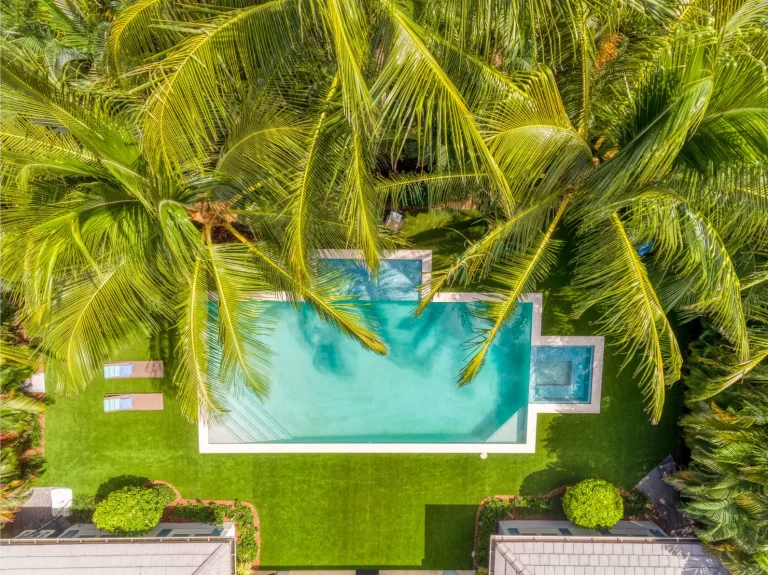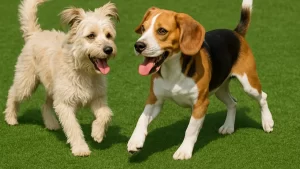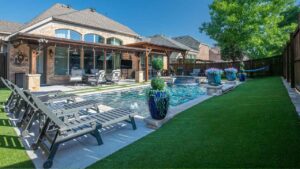
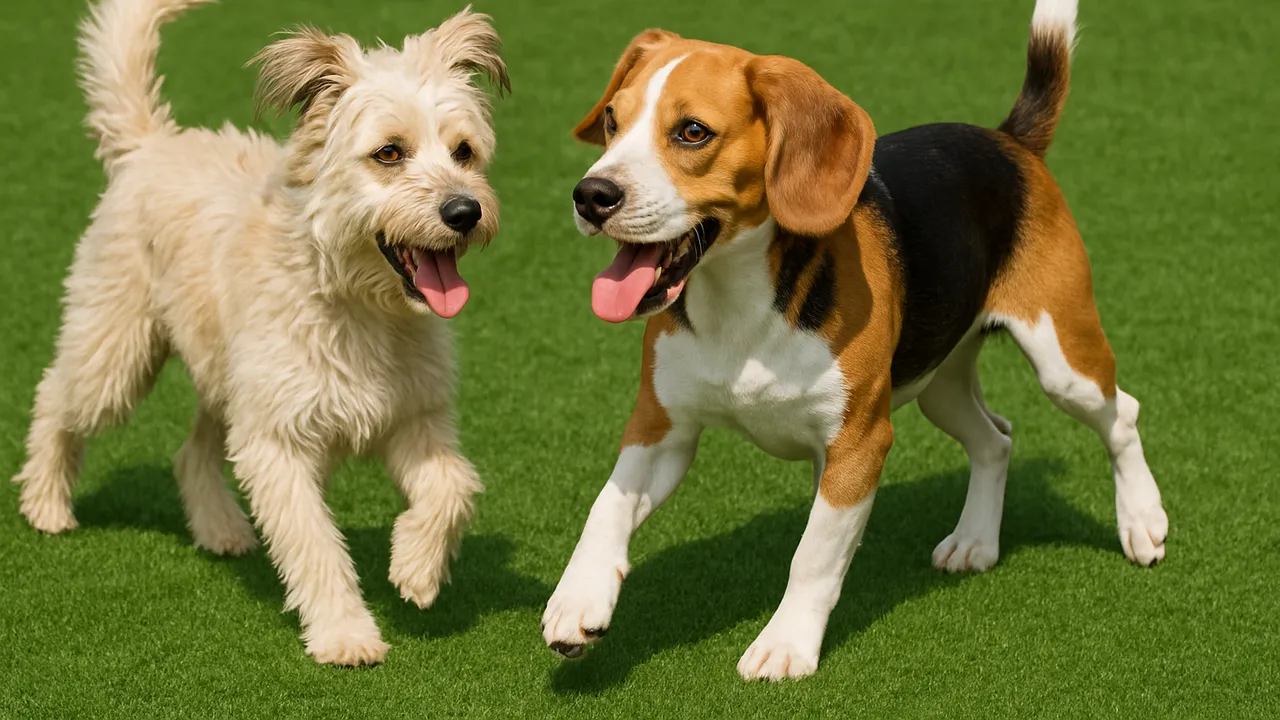
Designing a pet run on artificial grass is part engineering, part empathy. You are creating a space that must drain fast after rain, shrug off daily paw traffic, and stay fresh even when the dogs choose the same corner every single time. Get the layout right, choose the right infill, and treat odor control as a routine instead of a rescue, and you will have a clean, comfortable yard that keeps its color and bounce through every season.
This guide walks you through layout fundamentals, base and drainage choices, smart infill mixes for pets, and a simple odor playbook. Toward the end, you will find a light maintenance cadence, signs that a quick repair makes sense, and a short section on when a fresh installation is the smarter long term move.
Start with layout that fits real life
Size with movement in mind. Dogs sprint in arcs and cut the same corners again and again. If your run is long and narrow, create short dog-leg curves or a shallow S so the path is not a single groove that compacts and mats. For square patios, leave a diagonal lane from gate to shade since that is the line dogs will choose.
Plan entries and exits for the way you live. A single gate funnels traffic and wears a rut. Two entries reduce congestion and make cleaning easier. If your run meets a pool deck or a kitchen slider, protect those transitions with a slightly elevated edge detail so infill does not migrate.
Give them zones. A shaded rest area, a sun patch for lazy mornings, and a water bowl pad keep traffic from clustering in one spot. A small pea gravel or paver landing under the faucet keeps rinse water clean before it hits the turf.
Think heat and shade. Even pet turf gets warm on bright afternoons. Light foliage, a shade sail, or a pergola over the most used lounge zone improves comfort and reduces how often dogs search out the same cool strip at the edge.
Set the rules with edging. Secure, low profile edging tells paws where the lawn ends. It also protects the base from lateral washout during heavy rain. Choose a system that anchors tight to hardscape without sharp reveals.
Drainage and base that stay open
Artificial grass is only as clean as its drainage path. That path is simple: blades and thatch, perforated backing, then a compacted free draining base that moves water to daylight.
Sub-base recipe. Use angular stone and decomposed granite, compacted in thin lifts. Avoid round pea gravel in the main base because it rolls and leaves voids. The field should carry a gentle cross slope toward drains. Even a modest slope helps keep odors down by denying residues the time to sit.
Weep paths and outlets. If your run is walled on three sides, give water a way out. Weep cuts through curbing, strip drains along hardscape, or a daylight outlet to a gravel bed all work. Keep mulch beds slightly lower than the turf edge so runoff does not push organics up onto the surface during storms.
Border bond lines. Where turf meets concrete or pavers, a clean, dry bond line and the right urethane adhesive or mechanical strip keep edges tight. Tight edges block wind lift and stop debris from sneaking under the carpet.
Pile and backing match the job
Blade length and density. For a pure pet run, a shorter pile with dense thatch stands up to pivoting paws and cleans faster. Longer, lush piles are pretty but require more grooming to keep fibers upright. Density matters more than length for how clean the surface stays.
Permeability. Backing perforations should be abundant and free of obstruction. After installation, test a corner with a hose. If water lingers on top, you need more slope, better grooming, or a quick inspection for silt in the thatch.
Infill choices that help dogs and humans
Infill is not just weight. It supports blades so they do not mat, shades the backing so it stays cooler, improves footing, and helps control odor by moving air and water through the thatch.
Silica sand. Affordable and stable. For pets, coated sands shed moisture better and are less dusty during grooming.
Zeolite or odor binding media. Zeolite captures ammonia compounds. It is especially helpful in preferred potty corners. It can be used alone or blended with coated sand. Expect to replenish small amounts over time where dogs concentrate activity.
Antimicrobial coated blends. Some infills add antimicrobial properties that help reduce biofilm growth in humid weather. They are not a substitute for cleaning, but they stretch the time between deep odor cycles.
TPE and elastomeric options. These add cushion and can reduce surface heat. They are often paired with sand or zeolite rather than used alone in pet runs.
Depth and distribution. A common residential target is roughly 1.5 to 2.5 pounds per square foot, depending on product and pile. If you can part the fibers with two fingers and see backing easily, you are underfilled. Underfill leads to matting, trapped residues, and hotter surfaces.
Odor control you can count on
The reason odor lingers is chemistry. As urine dries it becomes uric salts and crystals that cling to fibers and lodge in the thatch. A hose knocks down the smell for a day but does not break that matrix. The fix is a simple cycle.
Enzyme step. Choose a multi enzyme formula designed for pet turf. Lightly pre wet the area, saturate the zone, and honor the full dwell time. Do not rush this step. Enzymes need time in a moist environment to do their work.
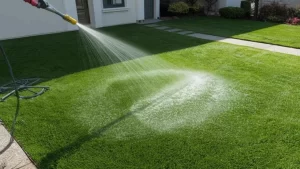
Rinse and move residues out. After the dwell time, rinse to float broken down material toward the drains. Keep the nozzle above the thatch. You are moving material out, not blasting it deeper.
Oxidizer step. Alternate once a month during humid season with a turf safe oxidizer to disrupt biofilm. This keeps the surface from getting slick and reduces the organic fuel that feeds odor.
After heavy rain. Odor often appears two days after sunshine returns, not during the rain itself. That is the moment to run a quick enzyme pass and a groom. You will stay ahead of the curve.
If you prefer a seasonal deep clean with grooming, extraction, and safe disinfection rather than a DIY day, you can schedule a professional visit when you need it. For example, many readers bookmark a local calendar for turf cleaning in Palm Beach Gardens. If you are closer to downtown or the waterfront, the routine for turf cleaning in West Palm Beach follows the same sequence.
Maintenance cadence that keeps things easy
Every 2 to 3 days. Rinse preferred potty corners. Float residues toward drains. Clear palm seeds and leaves so they do not trap moisture.
Weekly. Brush against the grain and then cross brush to lift fibers and open the thatch. A light power broom pass is ideal for long runs.
Monthly. A deeper groom and a quick infill check. If the surface looks dull after brushing, you likely need a top up in the lanes that see the most action.
Quarterly. A full reset. Groom, enzyme, rinse, oxidizer if needed, and a patient inspection of edges and seams.
Quick repairs that protect the system
You do not need a new lawn every time you see a ripple or a seam line. Most pet run issues start small and are very fixable.
Seam re bond. If you see a straight line opening, clean the channel, slide non woven seam tape underneath, butter both sides with urethane adhesive while keeping a slim glue free margin near the blade tips, align the gauge rows, weight the joint, and let it cure. A short power broom pass hides the line.
Re stretch and anchor. Ripples come from heat cycles and tension issues. Lift near the wave, correct any base high or low, re tension, and add anchors at consistent intervals around stress points.
Edge reset. Where turf meets pavers or coping, clean the bond line and use the right adhesive or a mechanical strip. Weight the edge during cure so it stays flat.
Small patch. For a dig or ember spot, make a beveled oval cut, trace a donor piece with matching grain and gauge, set it on seam tape with adhesive, weight during cure, then groom to blend.
When you see these early signs and want a professional hand, a single well timed visit can extend the life of the entire yard. If you are in Palm Beach Gardens and notice seam lines or edge lift, this is a useful reference for turf repair in Palm Beach Gardens. If your home base is downtown and you want a quick re stretch or patch after a busy season, the page on turf repair in West Palm Beach outlines typical fixes.
When a fresh start is the smarter move
If fibers are UV brittle across most of the field, if the backing is cracking, or if the base has widespread settlement, it may be time to replace instead of nurse along. The cost curve often favors a clean reset when you are facing repeated structural fixes in multiple zones.
Strong reasons to choose a proper turf installation
A good install locks in results you can feel. With a compacted free draining base, smart seam layout, reliable edge details, and a pile and infill combination suited to pets, you set yourself up for years of quick rinses rather than constant rescue work. If you plan to replace your current surface and want to compare product choices and installation approaches, this overview of artificial grass installation in Broward is a helpful starting point.
Frequently Asked Questions
1. What pile height works best for a dedicated pet run
A mid to short pile with dense thatch is the easiest to groom and keeps its posture under daily turning and sprinting. It also lets enzymes and rinses reach residues faster.
2. Which infill controls odor the best
A blend helps. Use coated sand for stability and pair it with zeolite or another odor binding media in the lanes where dogs prefer to go. Keep depth at spec so blades stay upright and the backing stays shaded.
3. How often should I run enzyme treatments
In warm months, plan a weekly light pass on heavy use corners and a deeper pass every two to four weeks. During cooler, drier periods you can pull back to monthly or as needed.
4. Is pressure washing safe for pet turf
High pressure is not a good idea. It ejects infill, scuffs fibers, and can lift seams. A hose rinse, extraction for silt, and a power broom give better results with less risk.
5. What are the early warning signs that repairs are due
Look for a zipper line along seams, edges that lift under a putty knife, ripples that catch a toe, and traffic lanes that stay flat even after brushing. Addressing these small issues early prevents bigger problems.
Talk With Bright Turf Solutions
If you want a yard that stays fresh, looks great in photos, and holds up to daily sprints and naps, we would love to help you plan it. Tell us how your dogs use the space, where the shade falls, and what has not worked before, and we will map a simple plan that fits your home and your routine. Please contact Bright Turf Solutions and we will schedule a quick consultation.